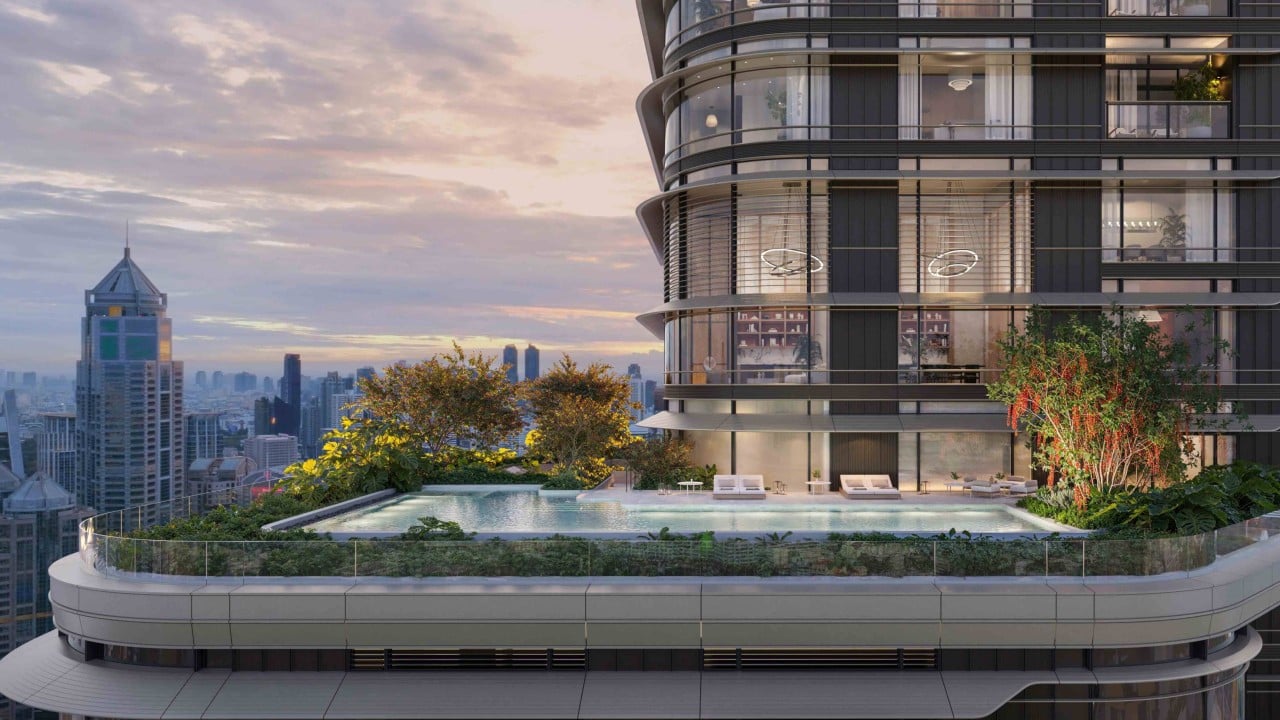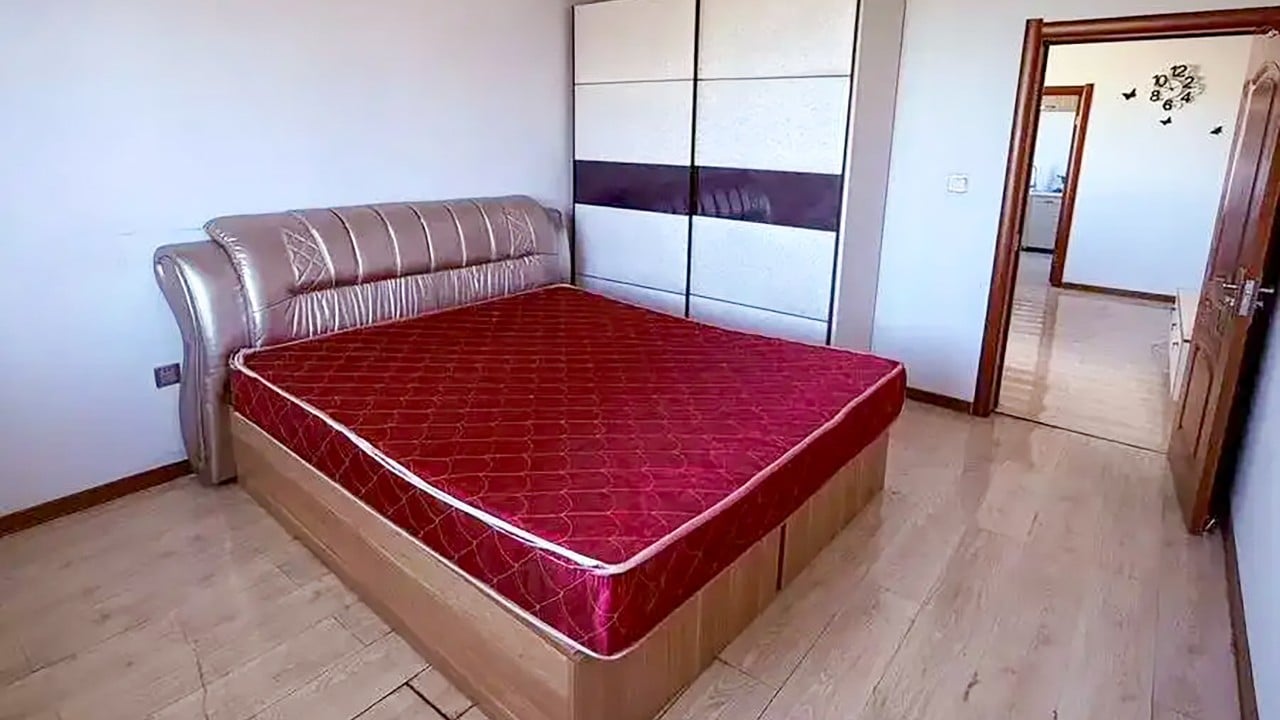
Twelve yuan.
In Beijing or Shanghai, that amount barely covers a steamed bun and a cup of warm soy milk from a street vendor before the morning rush swallows the subway platforms. Yet during China’s annual Double 11 shopping festival, a single click on an e-commerce platform traded those exact twelve yuan—roughly US$1.70—for the deed to a residential apartment.
When the receipt went viral on Chinese social media, the internet reacted with predictable, caffeinated disbelief. Screenshots of the transaction bounced across WeChat groups and Weibo feeds like digital confetti. To the casual observer scrolling past between flash sales on winter coats and discounted air fryers, it looked like a glitch in the matrix, an algorithmic typo, or a clever marketing stunt engineered by an overzealous developer.
It was none of those things.
To understand how a concrete-and-steel living space came to cost less than a bottle of imported sparkling water, you have to step away from the blinding neon of Singles’ Day countdown clocks and look at the quiet, heavy reality sitting behind China’s property market. I have spent years watching families in second- and third-tier Chinese cities pour three generations of savings into unbuilt concrete shells, measuring their self-worth and marriageability in square meters. For decades, buying a home in China was not merely a financial transaction; it was an existential milestone, the single non-negotiable ticket to adulthood and security. Seeing a home auctioned off alongside discounted shampoo feels like watching a sacred relic get tossed into a clearance bin.
The Architecture of a Miracle
Let us step back for a moment and picture a composite figure—call him Lin Wei—to make sense of the human weight behind these numbers. Imagine Lin as a thirty-something logistics manager living in a coastal prefecture-level city in Shandong or Jiangsu, far from the glittering skylines of Shenzhen. Five years ago, Lin’s entire universe revolved around saving for a down payment. His parents cashed out their modest retirement accounts; his aunts and uncles pooled informal loans; he skipped vacations and ate instant noodles at his desk so that he could secure a modest two-bedroom flat in a newly zoned suburban district.
In those years, the rules of gravity seemed suspended. Property prices only moved in one direction. Local governments relied on land sales to fund everything from subway lines to public schools, while private developers borrowed aggressively to build towers faster than buyers could sign contracts. In that environment, housing became the ultimate vault for household wealth. Nearly seventy percent of urban Chinese household assets were locked inside residential real estate. You did not buy a house simply to have a roof over your head; you bought it because leaving cash in a low-interest bank account felt like watching your future evaporate.
Then the music stopped.
When regulators stepped in to curb runaway corporate debt and cool speculative borrowing, the entire engine seized up. Developers ran out of liquidity, construction cranes froze mid-swing against gray skies, and buyers suddenly realized that the guaranteed returns they had banked their lives on were anything but certain. Between 2021 and 2024, new home sales tumbled, prices in smaller cities slid month after month, and millions of square meters of completed but unsold inventory piled up like unsold winter inventory in a warehouse after an unseasonably warm December.
Consider what happens next when a market built entirely on momentum suddenly loses its forward thrust.
When Concrete Becomes a Liability
In traditional retail, if a clothing brand overproduces winter parkas, it slashes prices by seventy percent in February just to clear shelf space for spring. Real estate is supposed to resist that kind of fire-sale logic. Land is finite; buildings endure; mortgages stretch across decades. Yet in smaller industrial towns, port cities, and former resort hubs across China, empty apartment blocks began behaving less like prized assets and more like perishable goods.
Hold a vacant apartment in a shrinking or oversupplied city, and it does not sit there for free. It bleeds money. Property management fees accrue every month. Heating and maintenance charges pile up. Developers face relentless pressure from creditors to convert stagnant concrete into immediate cash flow, no matter how painful the haircut. Meanwhile, e-commerce giants like Alibaba’s Taobao and JD.com—the very platforms that turned November 11 from an obscure college joke about being single into the world’s largest twenty-four-hour shopping frenzy—quietly built massive online auction arms.
Originally, these digital auction portals handled distressed judicial assets: seized luxury cars, bankrupt factory equipment, and foreclosed villas from defaulted borrowers. Slowly, however, mainstream property developers began listing regular apartments directly onto the platforms alongside smartphones and kitchen appliances.
This brings us back to that US$1.70 apartment.
During the Double 11 shopping extravaganza, developers and auction houses realized that traditional real estate ads—glossy brochures promising "European-style garden living" and "unmatched appreciation potential"—no longer moved the needle. Buyers were cynical, bruised by falling valuations and terrified of buying into unfinished projects. To break through that psychological wall, sellers turned to extreme e-commerce tactics: flash auctions starting at one yuan, zero-reserve livestreams, and loss-leader units designed to generate viral traffic.
In the case of the twelve-yuan flat, the listing was real, the auction was binding, and the winning bidder walked away with ownership rights for the price of a cheap lunch. Of course, there is always fine print behind a headline that outrageous. Properties listed at nominal starting prices are almost invariably located in oversupplied fourth-tier cities, aging industrial zones, or remote coastal developments where winter winds whistle through half-empty corridors. The buyer still faces transfer taxes, overdue utility or management fees, and the reality that the surrounding neighborhood might lack bustling shops or high-paying jobs.
Still, none of those caveats erase the symbolic shockwave of the transaction.
The Psychology of the Clearance Bin
Think of the Chinese property market right now like a massive ocean liner trying to execute a U-turn in a narrow harbor. For twenty years, every passenger on board was convinced the ship was steaming toward endless prosperity. Now, the engines are groaning in reverse, the hull is shuddering, and nobody on deck is quite sure where the shoreline sits.
I will admit something that analysts in tailored suits rarely confess on financial television: watching this unfold is deeply disorienting. When an asset class that anchored the hopes of hundreds of millions of working people starts trading on livestream flash sales, the standard rules of economics stop offering comfort. You look at a twelve-yuan receipt and feel a strange mix of dark comedy and genuine grief. On one hand, a lucky shopper scored a physical shelter without taking on thirty years of debt. On the other hand, down the hallway in that very same building, there is almost certainly a neighbor who paid hundreds of thousands of yuan for an identical floor plan just a few years earlier, someone who is still wiring half their monthly paycheck to a state-owned bank for an asset the market now values at pocket change.
That asymmetry is the invisible stake buried beneath every viral Double 11 housing headline.
E-commerce platforms have spent fifteen years training consumers to gamify their desires. During Singles’ Day, algorithms nudge you with countdown timers, red coupons, and group-buying discounts until purchasing feels effortless, almost reflexive. You do not deliberate over a twelve-yuan purchase; you tap your fingerprint and move on. By pulling real estate into that frictionless arena, sellers deliberately stripped away the solemnity that once surrounded homeownership. They turned a generational wealth decision into an impulse buy.
What the Receipt Actually Reveals
Look closely at the broader data surrounding Double 11 property promotions, and a clearer picture emerges. While the US$1.70 flat grabbed the headlines because of its absurd price tag, thousands of other discounted homes moved across digital auction blocks during the same shopping festival at thirty, forty, or fifty percent below their peak valuations. Developers hosted marathon livestreams where young hosts in hard hats walked through empty model units, fielding rapid-fire comments from viewers asking about school districts, subway proximity, and mortgage rate cuts.
Beijing has rolled out wave after wave of stimulus measures to steady the ship: lowering minimum down payment ratios, trimming existing mortgage interest rates, lifting purchase restrictions in major metropolises, and encouraging local state-owned enterprises to buy up unsold apartments for conversion into affordable public housing. In tier-one cities like Shanghai and Shenzhen, those policies have sparked sporadic bursts of transaction volume, as pent-up buyers cautiously test the waters.
Yet outside the premier economic hubs, the structural reality remains stubbornly unchanged. China built enough housing over the past two decades to shelter its urban population several times over, just as demographic tides began shifting toward an aging, slower-growing society. No amount of livestream energy or holiday couponing can conjure new families out of thin air to fill millions of vacant concrete boxes in shrinking towns.
Which returns us to our hypothetical logistics manager, Lin Wei, sitting at his kitchen table late on the night of November 11.
Imagine him scrolling through his phone after putting his child to sleep. He sees the news alert about the twelve-yuan flat. He reads the comments—some laughing at the absurdity, others bitter about their own underwater mortgages, a few asking where they can sign up for the next flash auction. Lin looks up from his screen at the living room walls he spent his twenties sacrificing to afford. The paint is still fresh, the floor tiles still gleam under the overhead LED light, and the neighborhood playground downstairs is clean and quiet. His home still shelters his family, still keeps out the autumn chill, still gives his daughter a desk where she can do her homework.
Yet the invisible aura that once surrounded those walls has vanished forever.
A house in China is finally becoming what it always was everywhere else in the world: a place to live, rather than a magical lottery ticket guaranteed to print money while you sleep. That transition is brutal for everyone caught on the wrong side of the peak, and exhilarating for anyone patient enough to wait for the dust to settle. Somewhere in a quiet provincial town, a lucky shopper is holding a receipt for twelve yuan and a set of metal keys, standing inside an empty room that proves, beyond a shadow of a doubt, that the old rules are dead.