The crisp crunch of shredded iceberg lettuce is something we rarely think about. It is the texture of a Tuesday night drive-thru run, a cheap, dependable filler tucked inside a hard-shell taco. We trust it implicitly. We assume that the invisible systems guarding our food supply chain are working around the clock, like a silent heartbeat, keeping the microscopic monsters of the world at bay.
Then, the system fails.
By mid-July, thousands of people across the Midwest found themselves trapped in a grueling medical nightmare. What began as a simple, affordable fast-food meal devolved into weeks of severe, agonizing illness. The culprit? Cyclospora cayetanensis, a resilient, single-celled parasite that hitches a ride on fresh produce contaminated by human feces. It triggers a condition known as cyclosporiasis, characterized by relentless, explosive diarrhea, deep fatigue, and rapid weight loss. It does not simply pass in twenty-four hours. Left untreated, it can ravage a human body for months.
Consider the reality on the ground in Michigan, the epicenter of the crisis. In southeastern counties, emergency rooms began filling up. Local health departments, already strapped for cash, were suddenly inundated with hundreds of new cases daily. Behind every statistic is a human story—a parent missing a week of hourly wages, a child suffering from severe dehydration, an elderly resident rushed to the hospital because a basic dinner was tainted by an invisible organism.
Federal and state investigators, acting as medical detectives, started tracing the breadcrumbs. They interviewed over a thousand patients, looking for a common denominator. One pattern kept flashing red: Taco Bell. Specifically, the shredded iceberg lettuce.
Traceback efforts led investigators past the fast-food counters, past the regional distribution centers, all the way to a major industrial agriculture player: Taylor Farms. The company, a massive entity that processes millions of servings of leafy greens every week, had sourced this specific batch of lettuce from fields in Mexico. In response, Taco Bell moved swiftly, purging the ingredient from its supply chain nationwide out of an abundance of caution. But for thousands of citizens, the damage was already done.
This is not just a story about bad lettuce or an unlucky outbreak. It is a stark window into a much larger, structural vulnerability.
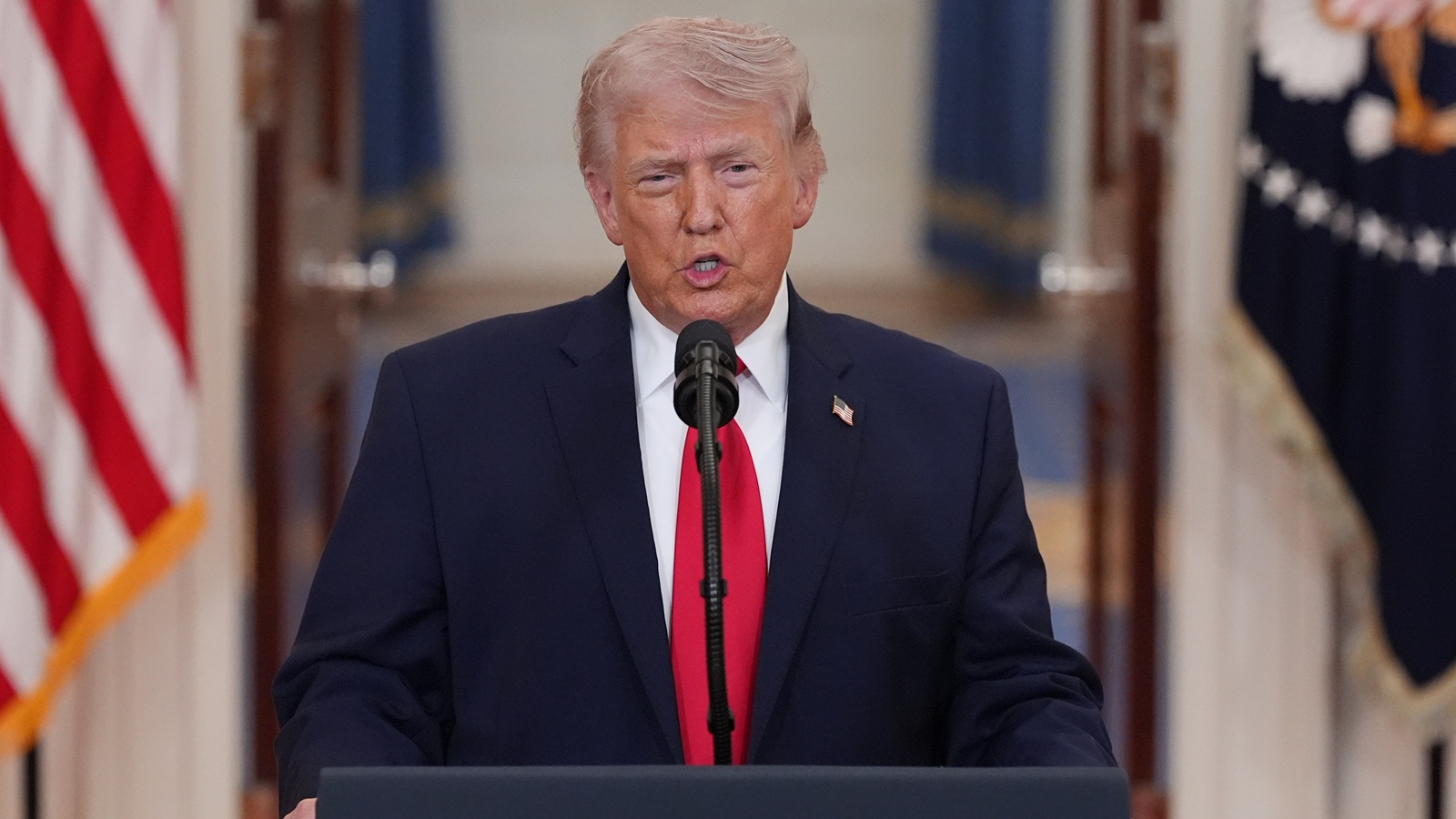
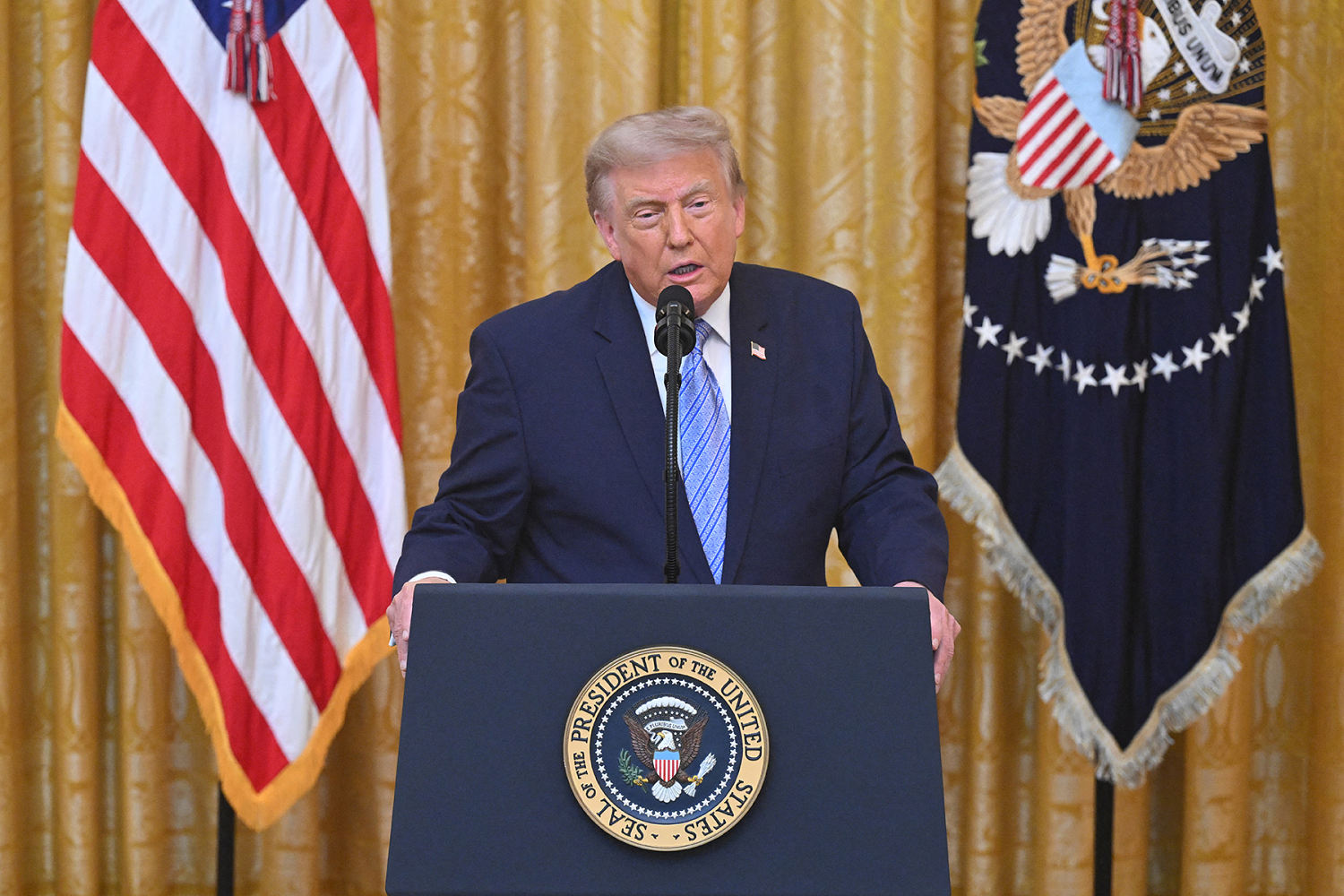
The surge in illnesses coincided with a fierce public debate over federal priorities. Months before the first parasite found its way onto a plate, the Trump administration enacted sweeping fiscal cuts, stripping billions of dollars from state and local health departments. Crucially, the administration also chose to narrow the scope of FoodNet, a vital Centers for Disease Control and Prevention (CDC) program designed specifically to monitor trends in foodborne illnesses and catch outbreaks before they spin out of control.
Public health advocates warned that these decisions would blind the nation’s early-warning systems. When the crisis hit, those warnings became reality. The CDC found itself burdened with a staggering backlog of thousands of unanalyzed cases, struggling to keep pace with the localized explosions of the disease.
When questioned about the correlation between the rising case counts and the weakened safety programs, the administration pushed back. White House Press Secretary Karoline Leavitt insisted that the resource reductions had zero impact on the federal response, asserting that the CDC and FDA retained everything necessary to protect the public.
But the tension between official assurances and the lived reality of everyday citizens grows wider by the day. When a government questions the necessity of robust regulatory oversight, it isn't just cutting numbers on a spreadsheet. It is altering the safety parameters of daily life.
The true cost of deregulation isn't measured in corporate savings. It is measured in the quiet panic of a citizen staring at a hospital bill, wondering how a simple taco became a catalyst for a medical crisis.