Cold.
That is the first thing you notice inside a seventeenth-century sugar warehouse in Bristol, even in the middle of July. The limestone walls are three feet thick, built to keep the Caribbean heat out and the profits in, and if you press your palm against the stone, the dampness seeps right into your knuckles. Meanwhile, you can find other developments here: Seven Hundred Envelopes and the Quiet Erosion of Public Service.
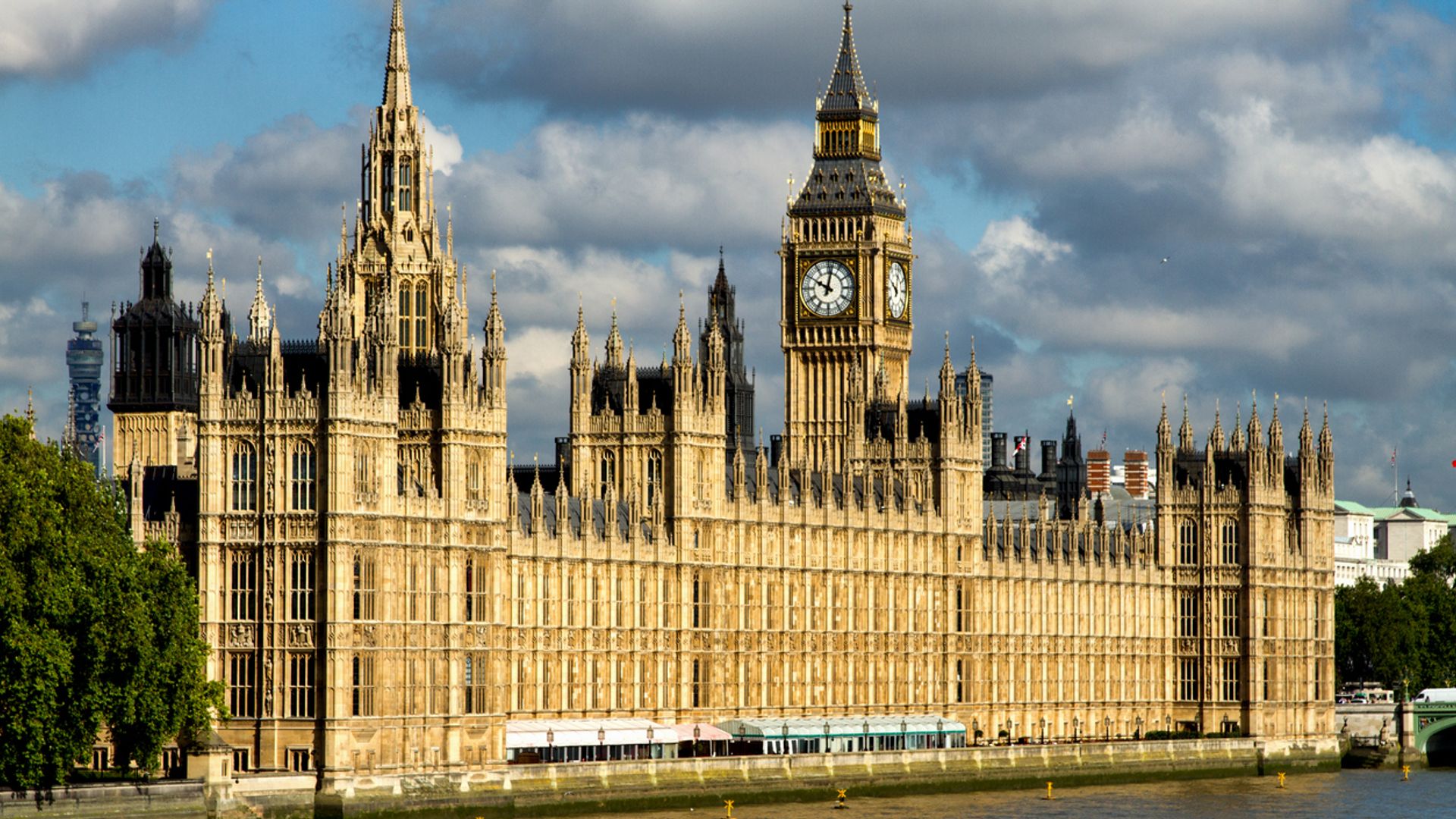
Standing in that chill, the arguments raging across the halls of Westminster and the gilded rooms of Buckingham Palace stop sounding like polite constitutional debates. They start sounding like ghosts rattling a locked door.
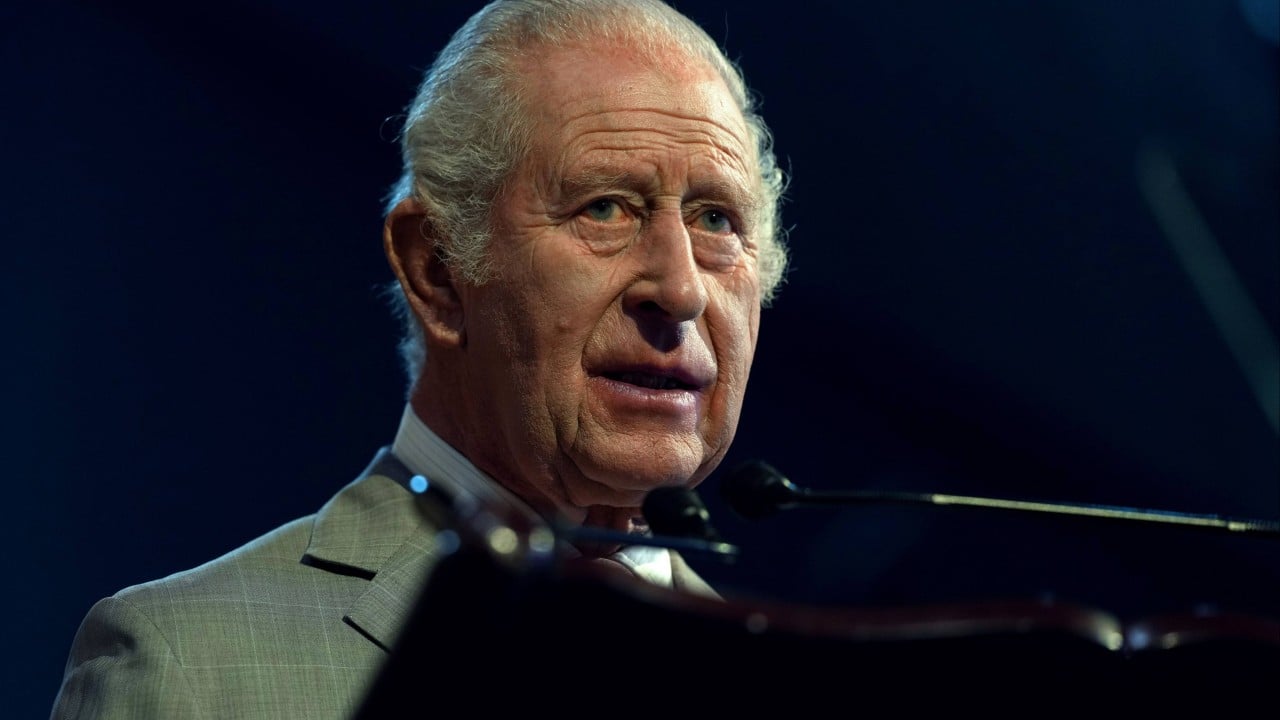
When King Charles III stood before Commonwealth leaders in Samoa and called the transatlantic slave trade a "monstrous injustice," the cameras clicked, the headlines flashed, and the pundits immediately began measuring the exact temperature of his words. At the exact same moment, Downing Street was caught in a familiar, uncomfortable dance, with the British Prime Minister carefully weighing whether the United Kingdom should finally utter the word that carries a trillion-dollar shadow: sorry. To understand the complete picture, we recommend the recent report by Associated Press.
To understand why two syllables from a Prime Minister and four words from a King can send tremors through global politics, you have to step away from the podiums. You have to look at the ledger books.
The Architecture of a Ledger
Imagine a hypothetical young woman named Maya, sitting at a kitchen table in Kingston, Jamaica, or perhaps in South London. Her great-great-grandmother did not have a last name until 1834, when a clerk scribbled the surname of a Scottish plantation owner onto a parish register. To Maya, history is not a dusty chapter in a school textbook; it is the reason her family started building generational wealth two centuries later than the families living in the Georgian townhouses of Bath.
Now, picture a second hypothetical figure: Arthur, a retired civil servant living in a quiet village in Gloucestershire. He works in his garden, pays his taxes, and feels a genuine, visceral confusion when the evening news brings up reparations. I never owned anyone, he thinks, his hands covered in soil. My grandfather worked in a coal mine. Why am I being asked to apologize for a world I never built?
Both Maya and Arthur are standing inside the same historical storm, looking at the exact same facts from opposite sides of the glass. And this is where the modern debate usually fractures, caught between rightful anger and defensive bewilderment.
The facts themselves are brutal in their precision. Between the sixteenth and nineteenth centuries, British ships transported more than three million Africans across the Atlantic in conditions designed for maximum cargo capacity and minimum survival. The Royal Family was not a passive observer of this enterprise. In 1660, King Charles II helped found the Royal African Company, an institution that branded the initials "DY"—for the Duke of York—onto the chests of human beings before shipping them across the ocean.
When Britain finally abolished slavery in 1833, the government did not pay a single penny to the people who had endured generations of forced labor. Instead, it borrowed 20 million pounds—roughly forty percent of the entire national budget at the time—to compensate the enslavers for their lost property. British taxpayers did not finish paying off that government debt until 2015.
Let that sink in. Someone born in London in the 1990s paid taxes that went toward servicing the loan that bought out the slaveholders.
Why "Sorry" Costs More Than Words
If the history is settled, why is the apology so hard?
Ask any diplomatic historian or international lawyer, and they will tell you that in statecraft, an apology is never just an emotional release. It is a legal key. Once a head of state or a prime minister formally apologizes for a historical crime, that admission can open the floodgates to formal claims for financial reparations under international law.
This is the tightrope walking across the current political moment. King Charles, bound by constitutional neutrality, cannot make policy or promise funds. By expressing "personal sorrow" and acknowledging a "monstrous injustice," he walked right up to the edge of the cliff without stepping off. He offered empathy without liability.
Meanwhile, the Prime Minister faces the sharper blade. Downing Street knows that nations across the Caribbean Community—CARICOM—are no longer interested in vague expressions of regret. They have drafted a ten-point plan that calls not for giant checks handed out to individuals, but for structural repair: debt cancellation, technology transfers, public health investments, and educational programs to heal economies that were deliberately engineered to extract wealth rather than build it.
When critics argue that you cannot put a price tag on historical suffering, they are missing the point of how economics works. Someone already put a price tag on it. They wrote it down in neat ink in 1833, calculated the interest, and paid it out to the owners of estates in Barbados and Jamaica, who used that capital to build railways, banks, and insurance companies in Britain.
The Fear of the Mirror
I remember walking through the port of Liverpool a few years ago, looking up at the carved stone faces adorning the facades of the old merchant banks. You see anchors, bales of cotton, and the faces of African captives sculpted directly into the architecture of civic pride. For centuries, Britain told itself a comforting story: that its greatest legacy was the abolition of the trade, forgetting that it had spent two hundred years perfecting it first.
Changing a national story is terrifying. It asks people like Arthur in Gloucestershire to accept that the prosperity of the nation they love—its museums, its universities, its quiet countryside estates—was subsidized by an unspeakable cruelty. That realization feels like a personal accusation, even when it isn't meant to be.
Yet refusing to look in the mirror carries its own quiet rot. Every time a British leader dodges the word apology with carefully rehearsed phrases about "looking forward rather than backward," the message received across the Commonwealth is unmistakable: Your pain is an inconvenience to our budget.
Trust cannot survive on amnesia. You cannot ask nations to remain partners in a modern Commonwealth while refusing to validate the very wound that brought them into your orbit in the first place.
Beyond the Podium
So where does a nation go when the past refuses to stay buried?
The real breakthrough will not happen in a press conference in Samoa or a press release from Whitehall. It happens when we stop treating reparations and apologies as a zero-sum punishment, and start seeing them as the final, necessary audit of an unfinished business transaction.
Think of it like inheriting a house. If you discover that the previous owners built the foundation on stolen land, you do not have to be the thief to be responsible for settling the deed. You simply own the house now, and if you want to live in it with a clear conscience, you square the accounts.
King Charles has opened the Royal Archives to independent researchers, allowing historians to trace the exact financial links between the monarchy and the slave trade. That is a start. Sunlight is a powerful disinfectant, even when it illuminates uncomfortable truths.
But light alone does not rebuild a foundation. Eventually, the political leaders of Britain will have to decide whether they want to be remembered as the generation that protected the treasury from a difficult conversation, or the generation that finally had the courage to settle the bill.
Outside that old sugar warehouse in Bristol, the River Avon still flows gray and steady toward the sea, carrying the tide out toward the Atlantic just as it did three hundred years ago. The stone walls remain standing, cold and silent, waiting to see if the living will finally say what the dead were never allowed to hear.