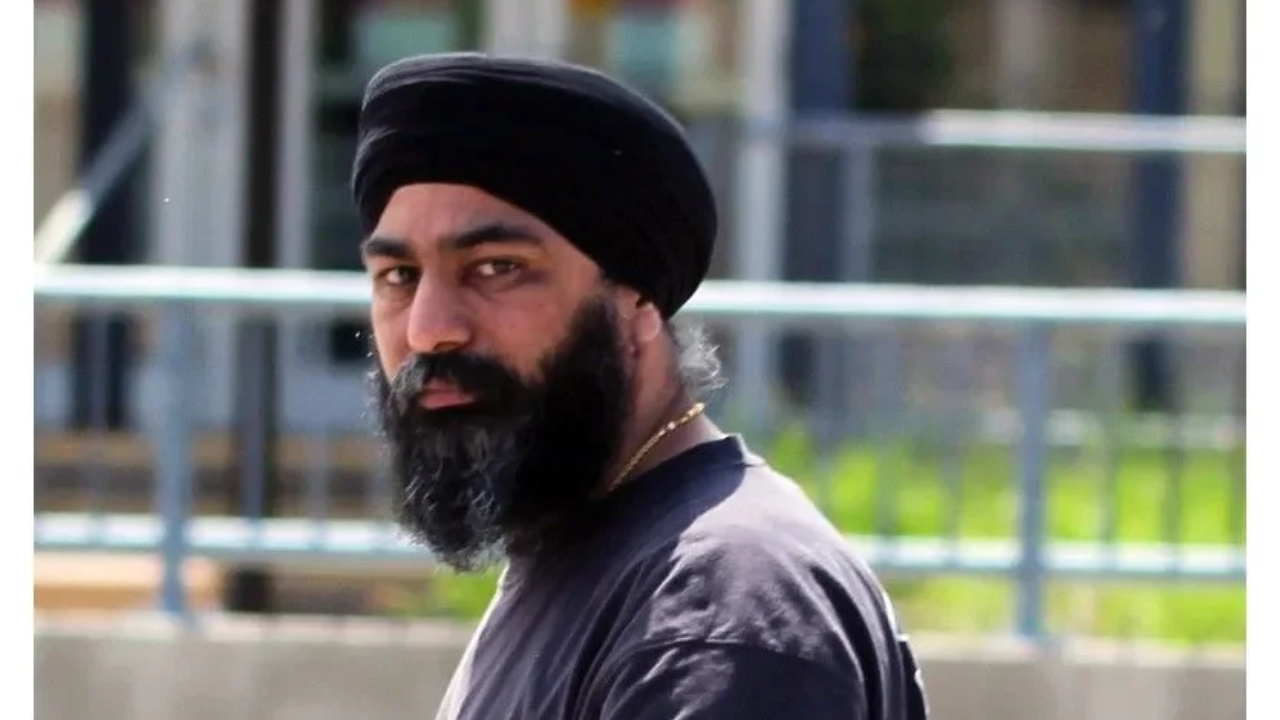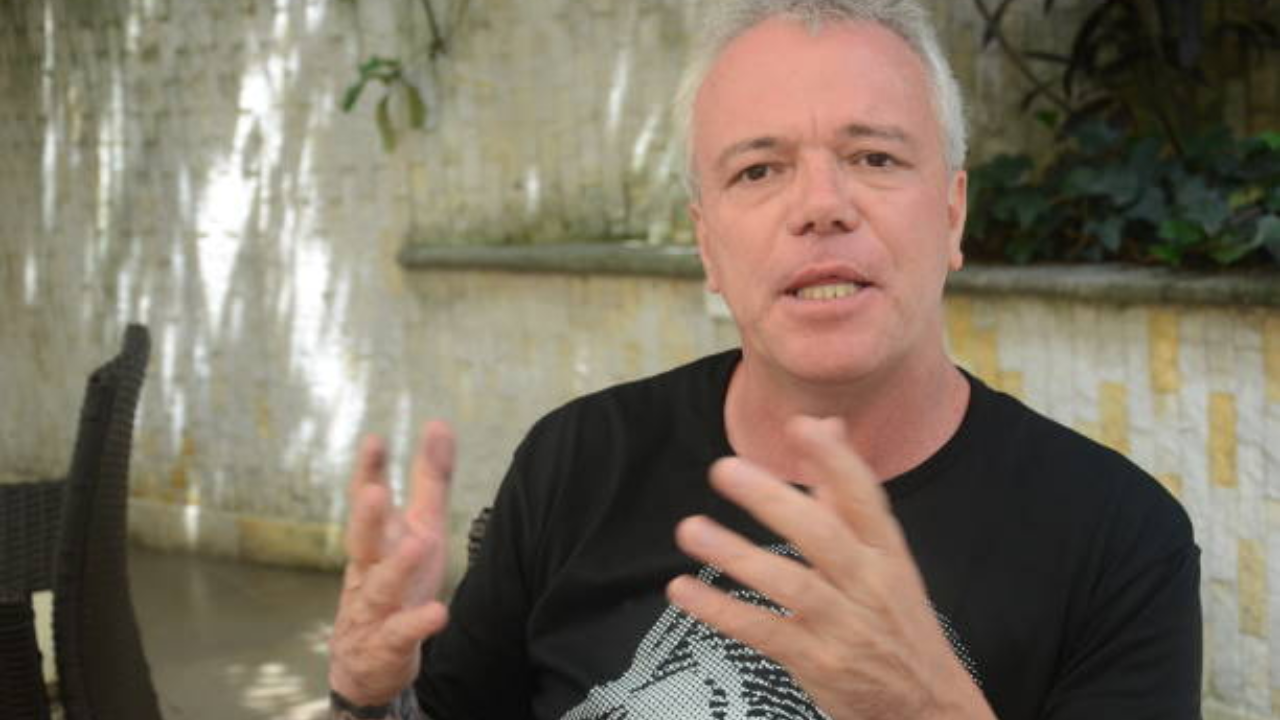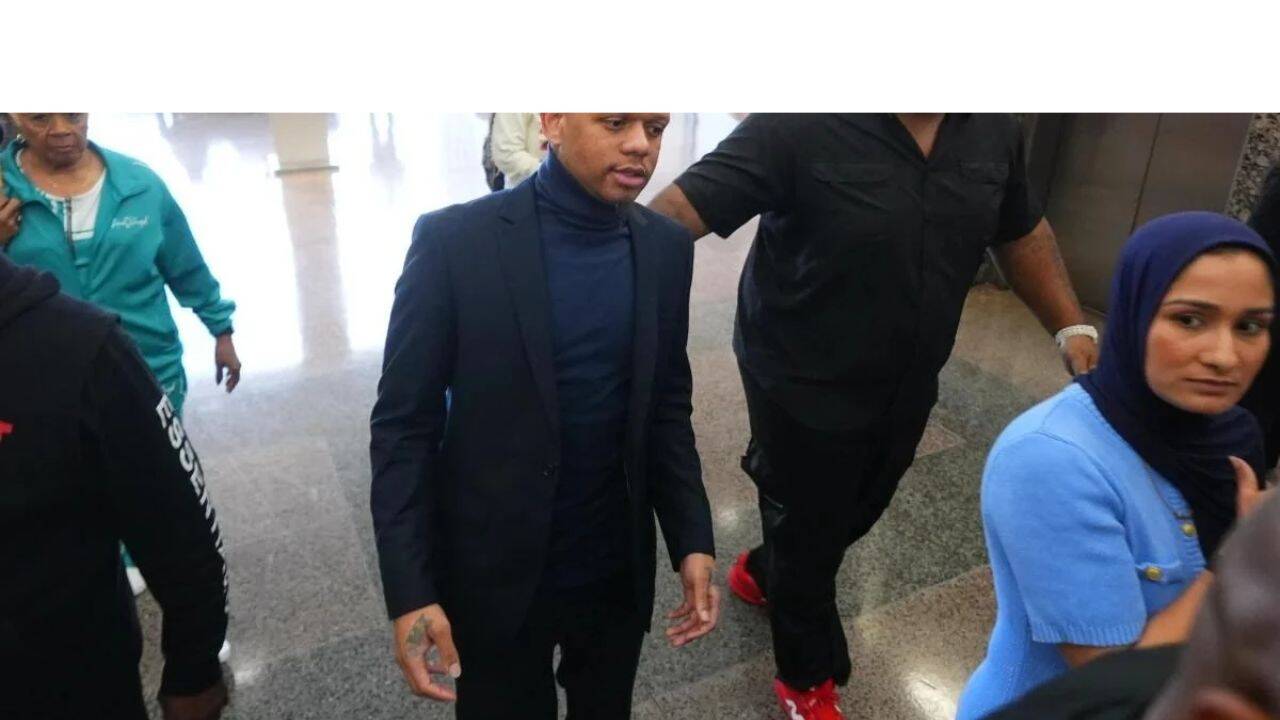
Dallas rapper Yella Beezy—born Markies Deandre Conway—has been sentenced to life in prison without the possibility of parole following a capital murder conviction, alongside a co-defendant who also received a severe sentence. If you've been following the Dallas rap scene over the past several years, you know this case has hung over local hip hop like a dark cloud, and the final verdict marks a permanent end to a career that once seemed unstoppable.
Most headlines will give you the bare-bones police blotter version of events. They'll tell you the charges, the sentence, and move on to the next celebrity scandal. That misses the bigger picture entirely. To understand how a chart-topping artist from Oak Cliff ended up spending the rest of his life behind bars, you have to look closely at how Texas capital murder statutes work, why prosecutors pursue conspiracy and murder-for-hire angles so aggressively, and what actually happens when street ties collide with mainstream fame.
The Charges Behind the Yella Beezy Capital Murder Conviction
Under Texas Penal Code Section 19.03, capital murder isn't just an upgraded version of a standard homicide charge. It's a specific legal classification reserved for murders involving aggravating circumstances—such as killing a peace officer, committing murder during the commission of another felony like kidnapping or robbery, or, crucially in high-profile gang and entertainment cases, murder for remuneration.
When prosecutors secure a capital murder conviction in Texas and choose not to seek the death penalty, there is no sentencing hearing with wiggle room. There are no character witnesses who can shave ten years off the sentence. Under Texas law, life without parole is the automatic, mandatory punishment.
That's a detail many casual observers miss. People often ask whether an artist's clean prior record or community charity work could help them get a reduced sentence once the guilty verdict comes down. In a Texas capital murder trial, once those twelve jurors agree on guilt, the judge's hands are completely tied. Conway's fate was sealed the moment the jury foreperson read the verdict.
Why Co-Defendants Often Seal a Case
The fact that an associate was convicted and sentenced alongside Conway points directly to how district attorneys build these cases. Prosecutors rarely rely on a single smoking gun in complex, multi-defendant murder trials. Instead, they construct a web of circumstantial and digital evidence:
- Cell site location information (CSLI) that places multiple devices near critical locations before, during, and after a crime.
- Financial records and cash withdrawals that suggest payment or coordination between a principal figure and an associate.
- Encrypted messaging logs and social media metadata subpoenaed directly from tech companies, which often survive even after users hit delete on their phones.
- Jailhouse informants and cooperating witnesses who trade testimony for reduced sentences on their own unrelated charges.
When two defendants are tied together in a capital murder prosecution, the state doesn't even have to prove that the famous defendant pulled the trigger. Under the Texas Law of Parties (Texas Penal Code Section 7.02), a person is criminally responsible for an offense committed by the conduct of another if, acting with intent to promote or assist the commission of the offense, they solicit, encourage, direct, aid, or attempt to aid the other person to commit it.
In plain English? If the state convinces a jury you orchestrated, funded, or helped set up a murder, you face the exact same life-without-parole sentence as the person who fired the weapon.
From Oak Cliff Anthem to Courtroom Reality
It's hard to overstate how massive Yella Beezy's rise felt in North Texas back in 2017 and 2018. When "That's On Me" blew up on Dallas radio before crossing over onto the Billboard Hot 100, Conway became an overnight hometown hero. He wasn't an industry plant backed by a massive New York label budget. He was a local Oak Cliff artist who grinded through mixtapes, built genuine grassroots support, and suddenly found himself sharing stages with Beyoncé, Jay-Z, and Chris Brown.
Success at that level changes everything around an artist, and rarely for the better.
I've watched countless regional artists navigate that sudden transition from local club favorite to national touring act, and the biggest trap is always the same: you bring neighborhood dynamics into a multimillion-dollar business environment. When money starts flowing, old rivalries don't disappear—they get amplified. Every slight on Instagram Live, every club altercation, and every unresolved dispute carries higher stakes because everyone involved now has resources and reputations to protect.
Conway's career had already been shadowed by real-world violence long before this trial. In October 2018, he survived being shot multiple times while driving on the Sam Rayburn Tollway in Lewisville, Texas—an attack that put him in the hospital and made national news. Later came various arrests on weapons and sexual assault charges, each pulling him further away from the studio and deeper into the legal system. By the time prosecutors moved forward with the capital murder case, the narrative around him had shifted completely from "hometown success story" to "cautionary tale."
What Most People Get Wrong About High-Profile Rap Trials
Whenever a well-known rapper gets convicted of a serious violent crime, the internet immediately splits into two loud, equally uninformed camps. One side assumes the prosecution is targeting hip hop culture unfairly, while the other assumes the artist is a cartoonish criminal mastermind. Both takes ignore how modern criminal prosecution actually works.
First, prosecutors don't need lyrics to win a capital murder case anymore. While the use of rap lyrics as evidence has sparked intense national debate—and rightly so, given how artistic persona gets conflated with real-life intent—Texas prosecutors win these cases on hard logistics. Tower dumps, rental car GPS logs, surveillance footage from highway toll booths, and bank records carry far more weight with a Dallas County jury than a verse on a mixtape ever could.
Second, celebrity status actually works against a defendant in a courtroom like this. Wealthy defendants often believe hiring a high-powered defense team will automatically create reasonable doubt. What they underestimate is the sheer volume of digital breadcrumbs left behind by someone living a public lifestyle. When you're a recognizable figure, people take photos when you walk into a restaurant, club promoters keep records of your VIP sections, and your associates post constantly on social media. Trying to vanish or maintain an alibi becomes nearly impossible.
The Reality of Life Without Parole in Texas
People throw around the phrase "life sentence" casually, especially in entertainment news, because in many states a life sentence comes with parole eligibility after 15, 20, or 25 years. That is not the case here.
In the Texas Department of Criminal Justice (TDCJ) system, life without parole means exactly what the words say. There is no parole board review in twenty years. There is no early release for good behavior. Unless an appellate court overturns the conviction on a major constitutional or procedural error—an uphill battle that succeeds in only a tiny fraction of capital cases—Markies Conway will spend the rest of his natural life in a maximum-security state facility.
For his co-defendant, the reality is equally grim. Being tied to a high-profile co-defendant means your case gets maximum prosecutorial resources, intense media scrutiny, and zero appetite from the District Attorney's office for lenient plea deals once trial preparation begins.
How Hip Hop Keeps Repeating the Same Mistake
You don't have to look far across the rap landscape to see this exact pattern playing out again and again. Whether it's in Dallas, Atlanta, Chicago, or Houston, talented artists reach the cusp of generational wealth—the kind of money that can buy entire city blocks, fund legitimate businesses, and pull dozens of families out of poverty—only to lose everything to street politics.
Part of the problem is the toxic feedback loop of modern social media. Twenty years ago, regional beefs stayed regional, and cooling off periods actually existed. Today, every move is broadcast in real time to millions of followers. Fans treat real-life conflicts like a spectator sport, egging artists on in comment sections while sitting safely behind screens hundreds of miles away. When the inevitable arrests happen, those same fans move on to the next trending topic within forty-eight hours, leaving the artist and their co-defendants to face decades or lifetimes in concrete cells alone.
Tracking the Appeal and Official Court Records
If you want to follow the post-conviction phase of this case without getting misled by viral rumor accounts on social media, stick strictly to primary legal sources. Entertainment blogs routinely misread appellate filings, confusing routine procedural motions with signs that a conviction is about to be overturned.
- Check the Dallas County District Clerk online portal using Markies Deandre Conway's full legal name to view official docket entries, sentencing orders, and notices of appeal.
- Monitor the Fifth Court of Appeals in Dallas, which handles direct criminal appeals originating from Dallas County district courts. Direct appeals typically take 12 to 24 months just to reach oral arguments or written opinions.
- Verify claims against official TDCJ inmate records, which list exact facility assignments, offense codes, and confirmed sentencing parameters without editorial spin.
Watching a career with the commercial momentum of Yella Beezy's end in a life-without-parole sentence isn't entertainment—it's a stark reminder of how unforgiving the Texas justice system is when street disputes cross the line into lethal violence.