The Iranian parliament has just moved to formalize what was once unthinkable: a mandatory "transit fee" for every commercial vessel attempting to navigate the Strait of Hormuz. On March 31, 2026, the National Security Commission cleared a bill that transforms the world’s most critical energy chokepoint into a sovereign revenue stream. Under the plan, ships must pay tolls in Iranian rials, while vessels linked to the United States, Israel, or any nation supporting sanctions against Tehran are barred entirely. This is not merely a bureaucratic shift; it is the institutionalization of maritime extortion.
By imposing a fee that industry insiders suggest could reach $2 million per transit, Iran is effectively attempting to tax the global economy to fund its own survival. The timing is calculated. Following the devastating strikes of "Operation Epic Fury" in February, which decimated much of Iran's conventional military infrastructure, Tehran is playing its only remaining high-stakes card. If the legislation passes the final parliamentary vote and receives the Guardian Council’s blessing—as is widely expected—the "free" navigation of international straits will be replaced by a pay-to-play corridor controlled by the Islamic Revolutionary Guard Corps (IRGC).
The Economics of a Chokepoint Siege
For decades, the Strait of Hormuz was governed by the delicate norms of "transit passage," a legal principle that allows ships to move through international straits even if they overlap with a country's territorial waters. Iran is now tearing up that playbook. By demanding payment in rials, Tehran is attempting to force international shipping companies to interact with its sanctioned central bank, effectively laundering the currency’s legitimacy through the global oil trade.
The financial scale is staggering. Before the current hostilities, roughly 140 ships transited the strait daily. At a $2 million "security and clearance" fee, Iran could theoretically generate over **$100 billion annually**. That is nearly a quarter of its pre-war GDP. Even at a more conservative "canal-style" rate of $400,000 per vessel, the revenue would provide a massive war chest that bypasses traditional Western financial blockades.
However, the "toll" is only half the story. The bill explicitly bans:
- U.S. and Israeli-flagged vessels, or any ship with "links" to these entities.
- Ships from "hostile" nations that have joined unilateral sanctions against Iran.
- Vessels carrying cargo destined for or originating from the aforementioned countries.
This creates a two-tiered maritime world. "Friendly" or "neutral" nations—specifically China, India, and Malaysia—have already begun direct negotiations with Iranian officials to secure safe passage. For everyone else, the strait is effectively a no-go zone, guarded by IRGC fast-attack craft and coastal missile batteries.
The IRGC Infrastructure of Control
This isn't a theoretical plan for the future; it is a formalization of a "shadow toll" system already in operation. Since mid-March 2026, the IRGC Navy has been operating a de facto vetting corridor between Qeshm and Larak islands.
To pass, a ship must submit its IMO number, a full cargo manifest, crew identities, and ownership details to IRGC-linked intermediaries. Only after the "fee" is processed—often disguised as payments for "environmental safety services" or "escort protection"—does the vessel receive a route code.
"There is no provision in international law that allows a tollbooth to be set up to extort ships," says Sal Mercogliano, a leading maritime historian. "Iran is leveraging the only geography it has left."
The IRGC’s "Safe Maritime Corridor" is a masterclass in grey-zone warfare. By framing the tolls as "environmental protection" and "security fees," Tehran provides a thin veneer of legitimacy that some energy-starved nations are willing to accept. The Indian gas carriers Shivalik and Nanda Devi were among the first to use this route, transmitting signals near the Iranian coastline to signal their compliance with the new regime.
The Legal Counter-Offensive
The international community is currently paralyzed by a fundamental legal dispute. The United Nations Convention on the Law of the Sea (UNCLOS) forbids coastal states from hampering or charging for transit passage. Iran’s counter-argument is simple and dangerous: they signed UNCLOS in 1982 but never ratified it.
Tehran contends that the strait is subject to "innocent passage," a much more restrictive regime that allows a coastal state to suspend traffic if it deems its security is at risk. By moving to formalize this via parliament, they are attempting to create a "new normal" where the Strait of Hormuz is treated like the Suez or Panama Canals—man-made waterways where fees are legal—rather than a natural international strait.
Global Energy Shockwaves
The impact of this toll regime on the global supply chain is direct and brutal.
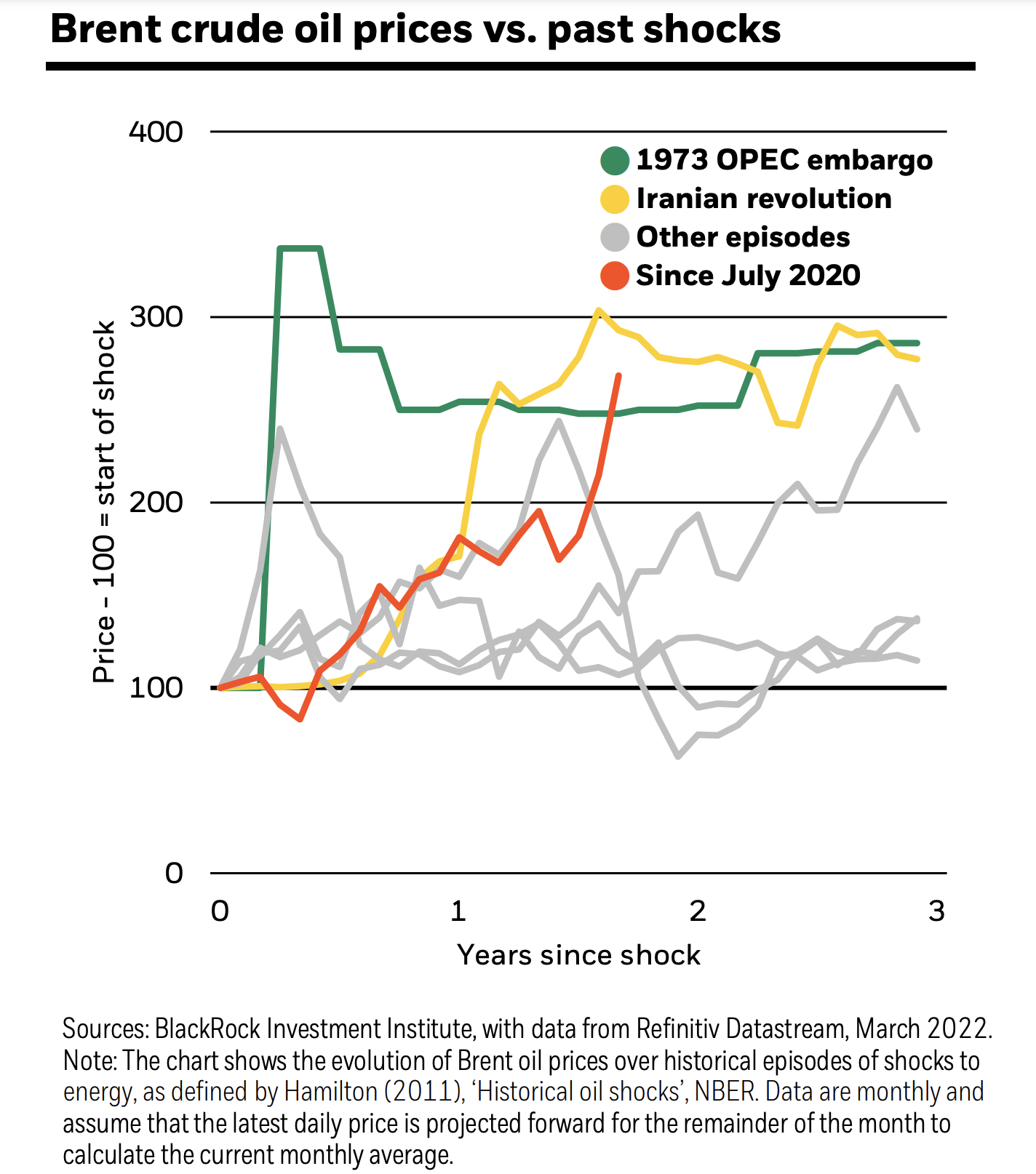
- Oil Volatility: Brent crude has already surged past $115 per barrel, with analysts at Goldman Sachs warning of a spike to $150 if the toll system becomes the permanent gatekeeper for the 20% of global oil that flows through the strait.
- The Fertilizer Crisis: Roughly one-third of the world’s sulfur and a significant portion of its urea pass through Hormuz. Prices for nitrogen-based fertilizers have jumped 28% in three weeks, threatening food security in the 2026-2027 growing season.
- Insurance Premiums: War risk insurance for the Persian Gulf has become so expensive that many smaller operators are simply grounding their fleets. Only state-backed insurers from "friendly" nations are currently providing coverage for the IRGC-escorted routes.
A Precarious Balance
The United States has responded with threats of further kinetic action. President Trump has stated that if the strait is not "reopened immediately" without conditions, the U.S. will target Iran’s remaining oil refineries. But "open" is a relative term. If ships are moving—even if they are paying a toll—does that constitute a closure?
This ambiguity is Iran's shield. By keeping the oil flowing to China and India while taxing it, they make a full-scale U.S. intervention diplomatically difficult. Beijing has little interest in a "freedom of navigation" operation that destroys the infrastructure currently delivering its discounted, IRGC-protected crude.
The "Strait of Hormuz Management Plan" is a move to turn a geography of war into a geography of profit. It is a desperate, brilliant, and illegal gamble to force the world to choose between paying a $100 billion ransom or watching the global economy grind to a halt. As the bill moves toward its final vote, the era of free maritime transit in the Middle East appears to be over.
Check the current cargo manifests of any vessels you have in the region to see if they are flagged under "sanctioning" nations.