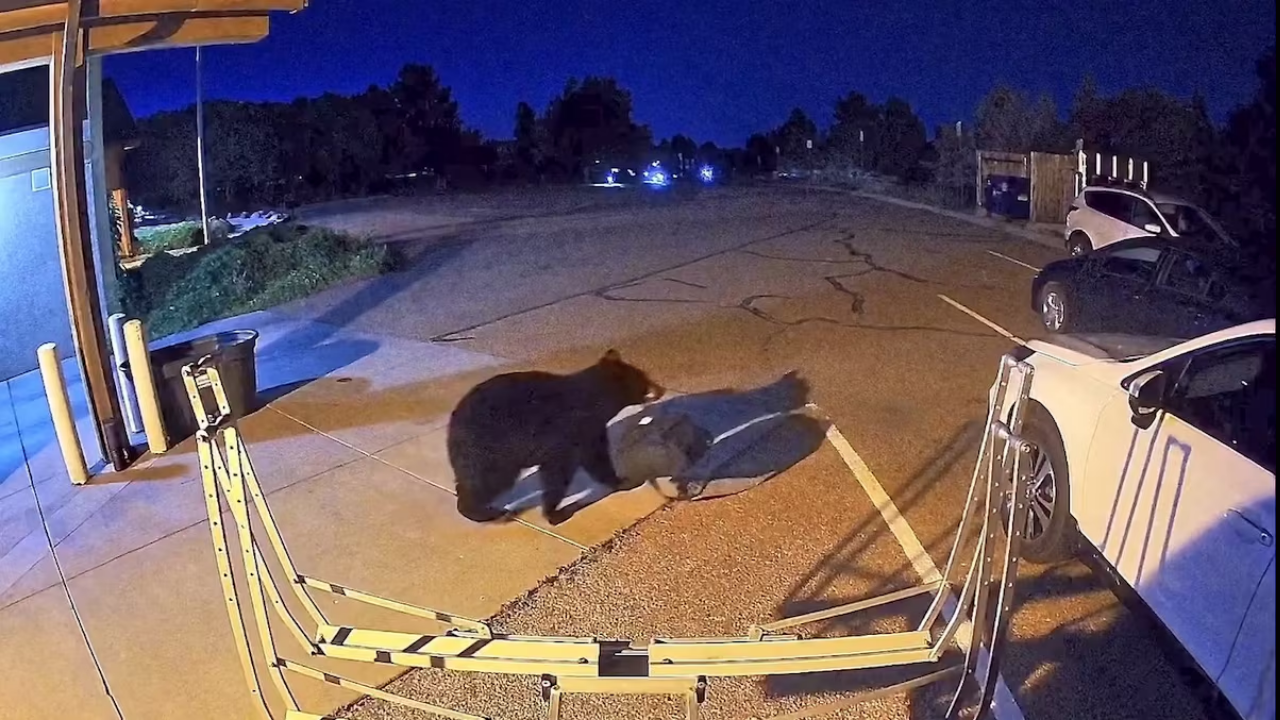
If you woke up to the sound of a 300-pound black bear rummaging through your recycling bins this year, you are far from alone. Colorado officially shattered its all-time record for bear sightings, blowing past the 7,000 mark with months of active bear season still left on the calendar.
State wildlife figures show the previous full-year record, set back in 2019, is now dust. From young cubs wandering into hallways in Granby to brazen midnight raids in mountain towns and foothills communities, black bears are making themselves entirely too comfortable in human neighborhoods. You might also find this connected article useful: Inside the Strait of Hormuz Choke Point Crisis Nobody is Talking About.
So why are we seeing a massive surge of wildlife in our driveways? It comes down to a brutal mix of severe drought, shrunken wild food supplies, and decades of unchecked human expansion into traditional bear corridors. When natural vegetation, berries, and acorns fail to grow, hungry bears look elsewhere for calories. Unfortunately for us, human settlements are practically glowing with easy meals.
The Drought Factor and Shrinking Wilderness
A black bear's natural diet is about ninety percent vegetation, nuts, and berries. When winter snowpacks melt too early and summer brings relentless heatwaves, those critical food sources dry up before they ever mature. As highlighted in latest coverage by NPR, the results are significant.
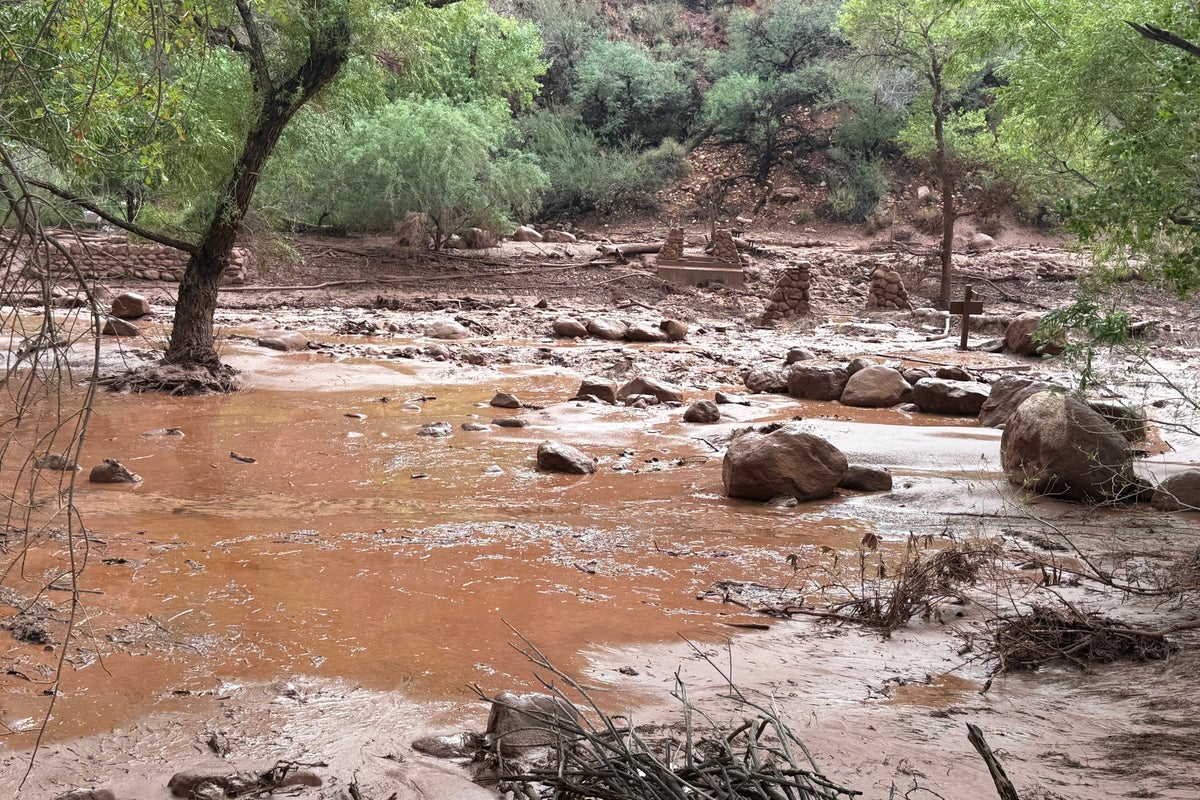
Small mountain streams have dried to trickles, leaving wildlife desperate for water as well as food. Bears possess a sense of smell that makes our best kitchen sniffers look like a bad joke. They can smell food from miles away, and when the high country stops producing, they drift down-elevation toward human populations where water sprinklers run and garbage cans overflow.
This environmental squeeze happens alongside explosive population growth. Over the past fifty years, Colorado's human population has doubled. Housing developments now wrap around foothills and mountain towns like Vail, Aspen, and Colorado Springs, effectively building subdivisions right on top of historical migration routes.
Colorado Parks and Wildlife estimates the state's black bear population sits comfortably between 17,000 and 20,000 animals. Put a booming, healthy predator population right next to sprawling suburbs, strip away their natural groceries with a severe drought, and you get a recipe for record-breaking neighborhood encounters.
The Danger of Hyperphagia
The situation gets even more intense as summer transitions into autumn. Bears enter a biological state known as hyperphagia during these months.
Think of hyperphagia as an endless, uncontrollable drive to eat. Bears need to pack on massive fat reserves to survive winter hibernation, meaning they spend up to twenty hours a day actively hunting for calories.
During this pre-hibernation window, a suburban backyard isn't just a place to hang out—it's a 24-hour all-inclusive buffet. Bird feeders dangling from front porches look like pinatas filled with high-energy seeds. Unsecured commercial dumpsters and residential trash cans left on the curb overnight serve as open invitations.
Wildlife experts tracking the data note that human-bear conflicts have turned physical, with multiple direct bear attacks reported across the state. While most encounters end with property damage or a startled homeowner, the stakes are rising quickly.
What Happens to the Bears
The human side of the equation is frustration, property damage, and the occasional terrifying hallway standoff. The bear side is often fatal.
State wildlife authorities generally operate under strict management policies. When a bear enters an occupied home or shows aggressive behavior toward humans, wildlife officers often have no choice but to euthanize the animal. Hundreds of bears across the Western United States are destroyed every year simply because they learned to associate human areas with easy food.
Colorado Parks and Wildlife notes that roughly two percent of reported sightings end in euthanasia. While non-lethal hazing works if reported early, a habituated bear that loses its natural fear of humans is incredibly difficult to save. Lawmakers have tried to tackle this by tightening penalties, passing laws that make it explicitly illegal to intentionally leave out food or trash that attracts wildlife.
How to Protect Your Property and the Wildlife
Keeping bears out of your neighborhood isn't rocket science, but it does require breaking lazy habits. If you live anywhere near the foothills or mountain zones, basic prevention changes everything.
- Lock down your trash: Never put garbage bins out the night before collection. Use certified bear-resistant containers whenever possible.
- Take down bird feeders: Put them away entirely during the spring-to-autumn active season. Sunflower seeds and suet are pure sugar and fat for a foraging bear.
- Store pet food indoors: Leaving a bag of kibble in an open garage or on a back porch is an open invitation.
- Close your garage doors: Bears walk right into open garages every single day to rifle through freezers, recycling, and pet supplies.
If you happen to come face-to-face with a bear on your property, stay calm. Do not run, because running triggers their natural chase instinct. Stand tall, make noise, and back away slowly while giving the animal an easy escape route. Give them space, secure your home, and let them move back to the wild where they belong.