The modern global economy does not run on software, algorithms, or high-speed fiber-optic cables. It runs on heavy, sulfurous fuel oil, sloshing inside the steel bellies of tankers navigating a strip of water only twenty-one miles wide.
If you stand on the barren, sun-baked cliffs of Iran’s southern coast, you can see them. They look like slow-moving islands, carrying the literal warmth and electricity of distant cities on their backs. This is the Strait of Hormuz. It is a geographic artery through which one-fifth of the world’s petroleum passes every single day. We take its openness for granted, much like we assume oxygen will fill our lungs when we inhale.
But when that artery is squeezed, the pressure is felt everywhere. It is felt by a commuter idling in traffic in Chicago, a factory manager adjusting production schedules in Munich, and a family watching utility bills climb in Tokyo.
Recently, that pressure reached a quiet, terrifying peak.
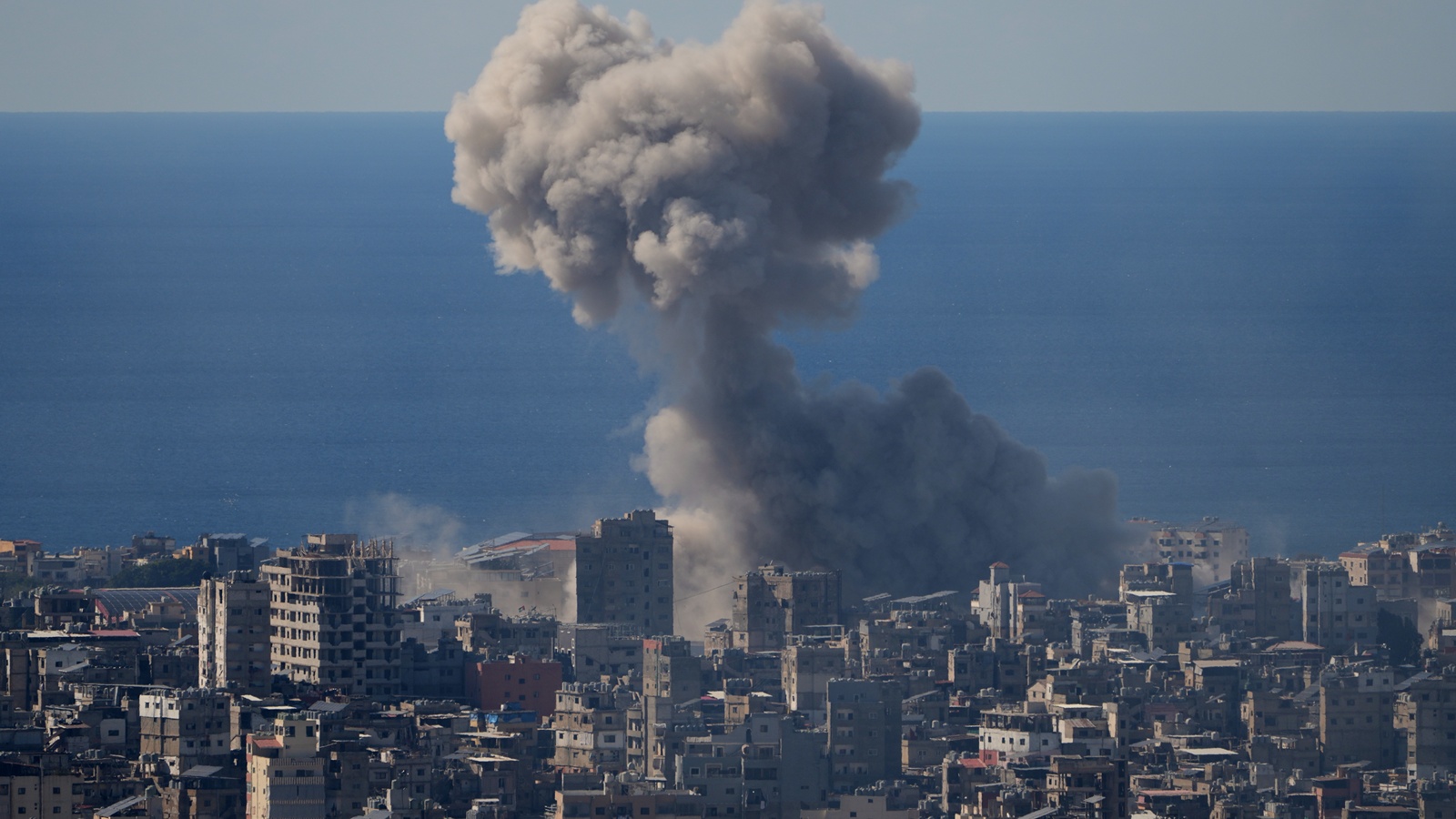
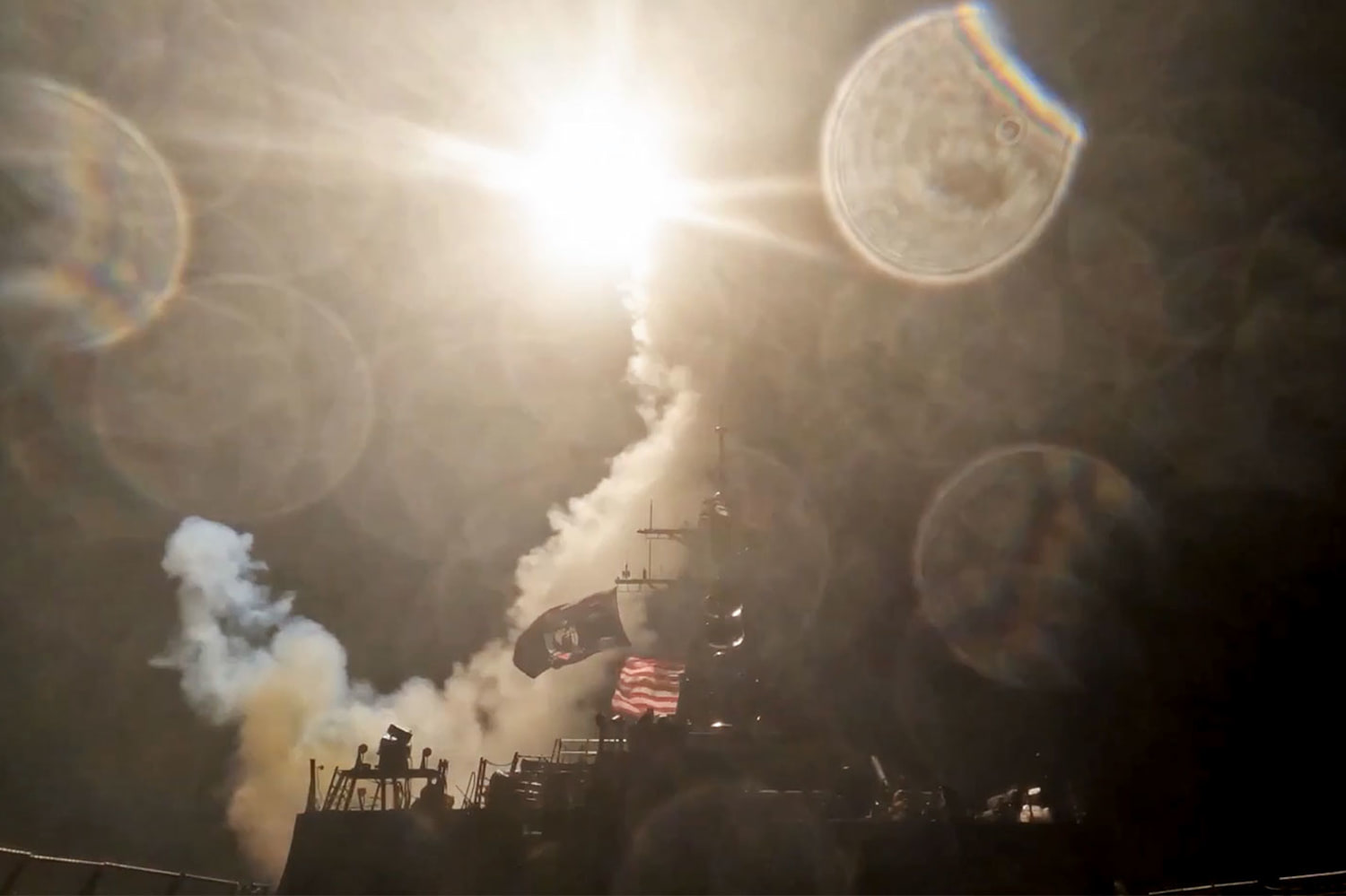
Far from the dramatic naval dogfights of cinematic imagination, the battle for this vital shipping lane has taken a grounded, devastatingly precise turn. American precision-guided munitions struck a series of critical bridges surrounding a key Iranian port city. These strikes did not target warships. They did not target missile silos. Instead, they targeted concrete. They targeted the physical connections that allow goods, troops, and supplies to flow to the water’s edge.
By shattering these spans, the military campaign shifted from a defensive posture in the open sea to an offensive stranglehold on the land. To understand how we arrived at this explosive bottleneck, we have to look at the people caught in the crossfire of geography and geopolitics.
The Weight of the Water
For decades, naval doctrine treated maritime security as an afloat problem. If a hostile nation threatened shipping lanes, you sent destroyers to escort the tankers. You swept for mines. You patrolled the skies.
This approach treated the land and the sea as two entirely separate worlds.
But military planners eventually realized a fundamental truth. A port is useless if you cannot get anything to it. Iran’s southern coast is a harsh terrain of jagged mountains and desolate salt flats. It is a landscape hostile to logistics. The Iranian military infrastructure in this region relies heavily on a fragile network of coastal highways and concrete bridges to move anti-ship missiles, drone launchers, and ground troops to launching points along the Gulf of Oman and the Strait of Hormuz.
Consider a hypothetical truck driver named Reza.
Reza is not a soldier. He is a civilian contractor driving a heavy flatbed truck loaded with industrial shipping crates. Under the scorching Persian Gulf sun, his cabin is a furnace. He knows the cargo behind him is volatile—perhaps components for the rapidly deploying drone swarms that have harassed commercial shipping for months. His route is dictated by a single, narrow highway running along the coast.
When a bridge on his route ceases to exist, Reza’s journey does not just slow down. It stops entirely.
By taking out these bridges, the U.S. military effectively bottled up Iran's mobile missile launchers and logistical resupply lines inland. The strikes severed the nervous system of the coastal defense network. It is a strategy of paralysis. Without the ability to move equipment rapidly from hidden underground depots to the coastline, the threat to international shipping lanes is drastically diminished.
Yet, the collateral of such precision is rarely just military.
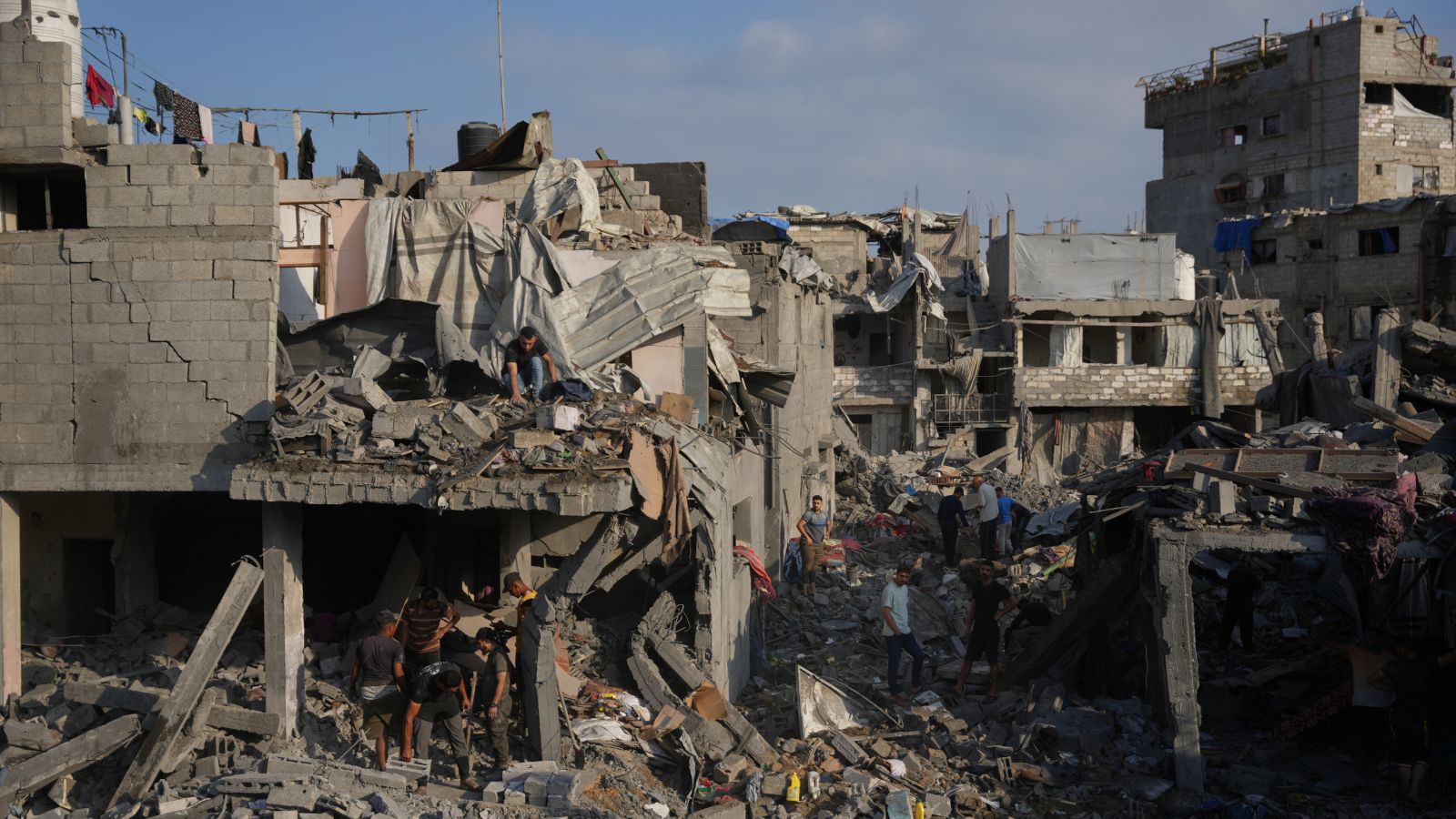
Every bridge destroyed is also a lifeline cut for the local population. These same roads carry food, medicine, and water to isolated coastal communities. The line between a military logistical supply route and a civilian highway is non-existent in this part of the world.
The Invisible Ripples
When we read headlines about military strikes in the Middle East, our minds tend to compartmentalize the information. We categorize it as a localized conflict, a distant geopolitical chess match played by superpowers.
This is an illusion.
The global supply chain is a single, highly sensitive organism. A tremor in the Strait of Hormuz causes a seizure in global markets. When the risk of shipping increases, marine insurance underwriters in London immediately rewrite their risk profiles. The cost to insure a single supertanker transit skyrockets by hundreds of thousands of dollars overnight.
That cost is not absorbed by the shipping companies.
It is passed down, cent by cent, through every stage of refining, transport, and manufacturing. By the time it reaches you, the consumer, it is masquerading as a slight spike in the price of a gallon of milk, a plastic toy, or a plane ticket. The strikes on the Iranian bridges were a calculated gamble: accept the immediate economic friction of heightened regional tension to prevent a catastrophic, prolonged closure of the entire strait.
It is a high-wire act with no safety net.
If the strategy succeeds, it forces a de-escalation by proving that the coastal launch sites cannot be sustained or defended. If it fails, it risks backed-up military forces lashing out with whatever remaining capabilities they possess, turning a localized campaign into a wider regional conflagration.
The smoke eventually clears over the shattered concrete spans near the port, leaving behind twisted rebar and quiet roads. The tankers in the strait continue their slow, silent march toward the horizon, their crews scanning the water and the sky for threats. They sail through a passage kept open not by the absence of war, but by its calculated application on the roads they cannot see.